Read More
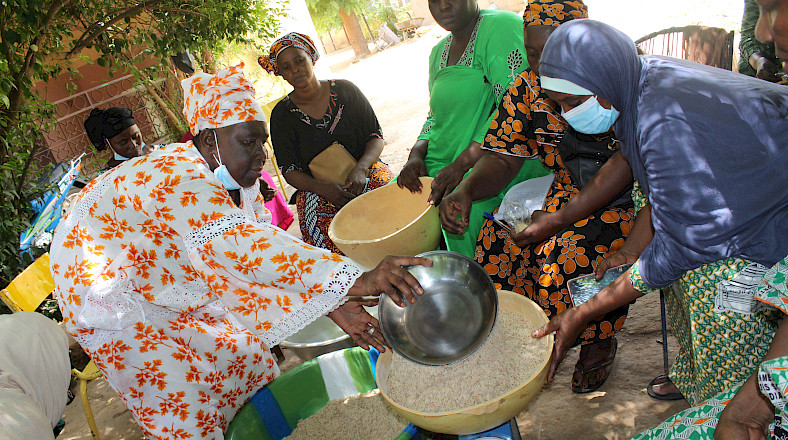
My name is Dr. Djibril BAGAYOGO, aged 61, resident in Bamako. As Head of the Nutrition Coordination Unit, I have a situation that deeply concerns me. The food crisis in Mali is not simply a passing event, but the result of a complex dynamic that has been building for years. We have observed that this crisis is rooted in deep, chronic vulnerabilities. What appears to be acute food insecurity is gradually turning into a structural problem, like a slow poison, as external and internal factors multiply.
The causes of this crisis are multiple, and the interconnections between them make the situation even more complex. Mali is going through a difficult period, marked by conflicts and security tensions that are destabilizing entire communities. Rapid population growth is putting enormous pressure on our natural resources and infrastructure. Added to this is the low availability of basic social services and a social protection system that is struggling to meet urgent needs. Growing social inequalities and the marginalization of rural areas exacerbate this situation, making life increasingly difficult for millions of people, particularly in remote areas. Finally, the progressive depletion of our natural resources due to unsustainable management, further accentuates the vulnerability of our populations.
Faced with this crisis, we need to find innovative and sustainable solutions. That's why I firmly believe that the Humanitarian-Development-Peace (HDP) Nexus approach represents a real ray of hope. It offers a unique opportunity to create multi-sector, multi-stakeholder partnerships, essential for strengthening safety in our fragile ecosystems. This approach brings together solidarity, development and peace around the same vision, for a more resilient Mali.
We recently organized a two-day workshop on this triple Nexus approach, and I am happy to say it was a real success. The quality of participation and exchanges was remarkable. The workshop provided a framework for a better understanding of this concept and its specific implications for Mali. We had rich discussions on the prospects for operationalizing this approach in our country. We were able to identify that, although Mali presents a favorable context for this approach, major challenges remain, notably the lack of specific funding, insufficient coordination between the players involved, as well as the need to integrate other themes into this approach for it to be truly holistic.
It is now clear that to successfully implement the triple Nexus, it is imperative to strengthen the synergy between the various players at both national and local level. It is only through close collaboration that we can overcome existing challenges and create a tangible impact. In addition, it is essential that we share the good practices arising from this approach with other NGOs and sectoral departments, in order to spread a culture of effective collaboration. Thanks to CN-CIEPA, Action contre la Faim and the Right2Grow project for initiating the exchange framework.
Back to overview